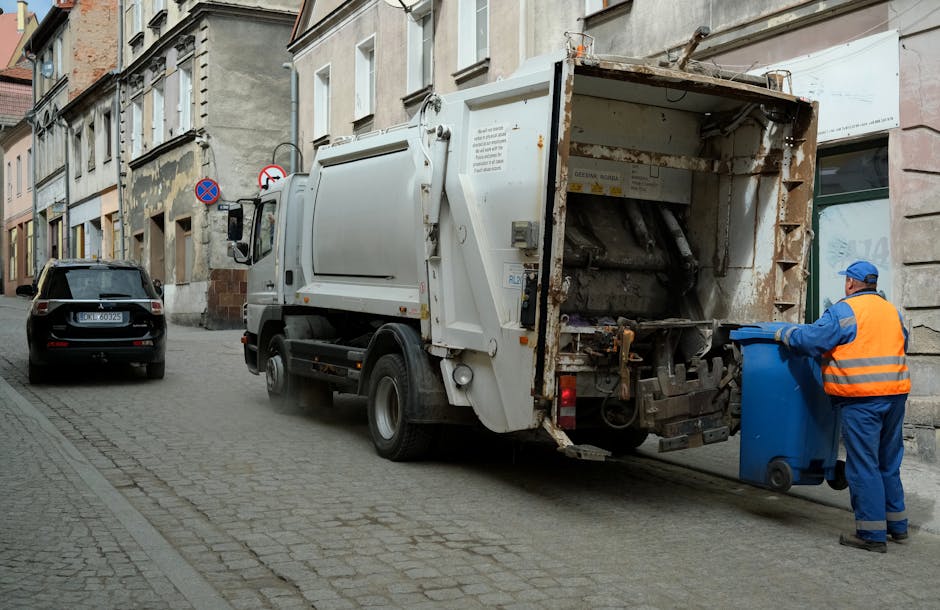
Soho Leicester Square WC2 rubbish removal services: a practical guide for homes, flats, shops and offices
If you live, work, or trade around Soho, Leicester Square, or the wider WC2 area, rubbish has a way of building up faster than you expect. A few broken boxes in the back room, a sofa that no one wants to move, after-fit-out debris by the door, or the aftermath of a busy weekend can suddenly become a real problem. That is where Soho Leicester Square WC2 rubbish removal services make life easier: quick, local, and designed for the realities of Central London, where access, timing, and discretion matter just as much as the collection itself.
This guide explains how rubbish removal works in WC2, what to expect, who it suits, the common mistakes people make, and how to choose the right approach without overcomplicating it. Let's face it, nobody wants waste hanging around in a busy street or a compact flat any longer than necessary.
Table of Contents
- Why Soho Leicester Square WC2 rubbish removal services matters
- How Soho Leicester Square WC2 rubbish removal services works
- Key benefits and practical advantages
- Who this is for and when it makes sense
- Step-by-step guidance
- Expert tips for better results
- Common mistakes to avoid
- Tools, resources and recommendations
- Law, compliance, standards, or best practice
- Options, methods, or comparison table
- Case study or real-world example
- Practical checklist
- Conclusion
- Frequently Asked Questions
Why Soho Leicester Square WC2 rubbish removal services matters
Soho and Leicester Square are not the sort of places where waste can sit around unnoticed. The area is compact, heavily used, and constantly moving. Delivery bikes, pedestrians, taxis, restaurant supply runs, office staff, residents, and visitors all share the same tight streets. That makes rubbish removal more than a simple clean-up job. It becomes part of keeping a property usable, presentable, and safe.
In practical terms, rubbish removal in WC2 often matters because standard bin capacity is not enough. A flat clearance after a move, a shop refresh, or a small office redesign can create bulky waste that ordinary collections are not built to handle. Even a single bulky item can block a narrow hallway or stairwell, and in older buildings the lift situation is not always friendly. You know the kind of place: one awkward turn on the stairs and suddenly the whole job feels twice as hard.
There is also a reputational side. For hospitality venues, retail units, and offices near Leicester Square, clutter out the back can look messy and unprofessional very quickly. A tidy workspace says a lot. So does a clear pavement area and a clean rear access route. It is not glamorous, but it matters.
Another reason these services matter is timing. In central London, access windows are often short, and busy periods can make any waste issue feel urgent. A flexible collection that works around loading restrictions, busy footfall, and tenant schedules can save a lot of stress. Sometimes that is the difference between a smooth day and a chaotic one. Simple as that.
How Soho Leicester Square WC2 rubbish removal services works
Most rubbish removal jobs in Soho or Leicester Square follow a straightforward pattern, though the details vary depending on the site. A good service will usually begin with an assessment of what needs moving, where it is located, and how the waste can be accessed. That might happen by phone, by photos, or with an on-site look if the load is more complicated.
From there, the job is typically scheduled to suit the property's access and the type of waste. For example, a top-floor flat clearance may need a different approach from an office clearance on a side street with a loading bay. Builders waste, furniture disposal, and general rubbish all need slightly different handling too. If the waste is mixed, the removal team usually sorts it into suitable streams for transfer and disposal.
On the day, the team arrives, loads the waste, and clears the area. For many customers, this is the big benefit: there is no need to hire a skip, no need to do the lifting yourself, and no need to spend hours trying to work out what goes where. If you've ever tried to shift an old wardrobe down a narrow WC2 staircase, you already know why this matters.
After collection, the waste should be taken to an appropriate facility for treatment, recycling, recovery, or disposal, depending on the material. That part is often invisible to the customer, but it is one of the most important elements of the service. Responsible waste handling is not just about getting the mess away from sight. It is about making sure it is dealt with properly after it leaves your property.
For broader waste and clearance needs, it can also help to look at related services such as rubbish removal, rubbish clearance, and waste removal to match the job to the right type of collection.
Key benefits and practical advantages
The strongest reason people choose professional rubbish removal in Soho and Leicester Square is not just convenience, though that is a big part of it. It is control. When waste starts causing pressure on a flat, office, or commercial space, a proper clearance puts the situation back in your hands.
- Faster turnaround: waste is removed in one visit rather than dragged out over days.
- Less physical strain: no lifting heavy bags, awkward furniture, or sharp-edged materials yourself.
- Better use of space: cramped WC2 properties can feel instantly more workable once clutter is gone.
- More suitable for bulky items: great for old desks, chairs, appliances, mattresses, and awkward furniture.
- Cleaner presentation: especially important for customer-facing or guest-facing premises.
- More predictable than piecing it together yourself: a one-off clearance can be simpler than multiple trips to a disposal point.
There is also a less obvious advantage: mental relief. Clearing rubbish can change the mood of a property. A storage room that felt tense and overfull suddenly becomes useful again. A flat that smelled faintly musty because of old waste now feels fresher. Small thing, maybe. But if you have been living with the clutter for weeks, it is not small at all.
For households and landlords, services like home clearance, house clearance, and flat clearance often provide the best fit when the waste goes beyond a simple bag collection.
Who this is for and when it makes sense
Soho Leicester Square WC2 rubbish removal services are useful for a wide mix of people. The area is dense enough that one service rarely suits everyone, so it helps to think in terms of situations rather than property type alone.
Homeowners and tenants: Useful after moving, redecorating, downsizing, or clearing out storage. Flats in WC2 often have limited storage, so clutter accumulates quickly. One old armchair becomes three bags of mixed junk before you know it.
Landlords and agents: Handy between tenancies, after furniture has been abandoned, or when a property needs a reset before marketing. A fast clearance can keep void periods shorter, which is usually the real aim.
Local businesses: Offices, restaurants, bars, retailers, and studios often need short-notice removals for packaging, furniture, damaged stock, or general accumulated waste. Business waste needs a more organised approach than the average household pile, especially in busy central streets.
Builders and fit-out teams: Renovation and refurbishment work often creates messy, mixed waste. Plasterboard offcuts, broken packaging, timber, tiles, old fixtures, and dust all build up fast. In those cases, builders waste support may be more appropriate than a standard general rubbish collection.
People clearing single items: Sometimes it is not a full clearance at all. It might be a sofa, bed frame, wardrobe, or one appliance that is simply too awkward to deal with alone. That is where focused services such as furniture disposal or sofa removal can be the sensible choice.
Step-by-step guidance
If you want the process to go smoothly, it helps to think ahead a little. Nothing fancy. Just enough planning to avoid the usual last-minute panic.
- Identify the waste clearly. Separate general rubbish, bulky items, reusable pieces, and anything that may need specialist handling.
- Check access. Note stairways, lift size, parking constraints, loading bays, and whether waste needs carrying through a shared entrance.
- Take a quick inventory. Even a rough list helps. For example: two desks, four chairs, six bags, one mattress, and three broken shelves.
- Ask for the right service type. A business waste load is not the same as a garage clearance or a flat clearance.
- Prepare the items. If possible, group waste in one place so collection is quicker and less disruptive.
- Confirm timing. In WC2, timing matters. Aim for a slot that avoids peak footfall and avoids blocking shared access routes.
- Make sure the area is safe. Move breakables, secure pets if relevant, and keep hallways clear if the team needs to pass through them.
- Review what happens after collection. Reputable waste removal should always end with proper disposal or recovery, not just a quick haul-away.
If the job includes business premises, office furniture, or retail stock, related services like office clearance and business waste can make the process more efficient. For mixed domestic loads, waste clearance or rubbish collection may be more suitable.
Expert tips for better results
After enough clearances, a few practical habits stand out. They do not sound dramatic, but they make a real difference.
1. Keep similar materials together. Wood with wood, cardboard with cardboard, metal with metal if possible. Even if the operator can mix and sort it later, tidy grouping makes loading faster and can reduce confusion on the day.
2. Photograph the load before collection. Not for drama. Just for clarity. If the job changes between booking and collection, it is easier to discuss it honestly with visuals rather than vague memory.
3. Measure large items. A wardrobe, sofa, or filing cabinet can be awkward in a WC2 property where door widths and stair turns are unforgiving. A tape measure can save a lot of faff.
4. Avoid mixing everything together at the last moment. That sounds efficient, but it often creates more sorting work, more lifting, and more risk of damage.
5. Think about the exit path. Before the collection arrives, look at the route from the waste point to the vehicle access. Half-open doors, bikes in the hall, and stacked boxes can slow the job more than you'd expect.
To be fair, many people only realise these things after the first collection. That is normal. The good news is that a bit of prep usually makes the whole process feel calmer and less intrusive.
Common mistakes to avoid
Some waste removal problems are self-inflicted, which sounds harsh but is usually true. The good news? They are avoidable.
- Booking the wrong type of service: A general rubbish job is not always suitable for office furniture, construction debris, or a full property emptying.
- Underestimating volume: Waste that looks manageable in a corner often expands once it is moved and sorted.
- Ignoring access restrictions: Soho and Leicester Square are not forgiving when it comes to parking, narrow roads, or busy entrances.
- Leaving hazardous items unflagged: Anything sharp, heavy, contaminated, or potentially dangerous needs to be mentioned early.
- Assuming all waste is the same: Different materials may need different handling or disposal routes.
- Waiting until the last minute: If a property handover, inspection, or refurbishment deadline is approaching, late booking can make a small job feel uncomfortably tight.
One common issue in WC2 is trying to force a bulky-item job through standard bin routines. It rarely works well. A mattress or old desk is not going to magically disappear into a normal waste stream. If only.
Tools, resources and recommendations
You do not need much equipment for a typical rubbish removal job, but the right basics help. A few sturdy sacks, gloves, a tape measure, and some labels can make the whole process tidier. For larger clearances, a simple room-by-room list is often more useful than trying to remember everything from memory while the team is waiting at the kerb.
For broader property projects, it may also help to use linked services that match the waste type. For example, garage clearance is useful where the space has become a catch-all for tools, boxes, old toys, and broken furniture. garden clearance is a better fit for outdoor waste, green cuttings, and broken outdoor items. And if you are dealing with renovation debris, builders waste is the obvious direction.
For commercial properties, an organised routine matters even more. A back room that is kept clear every week is much easier to manage than a once-a-quarter panic clear-out. A little boring? Maybe. But efficient. And efficiency wins in central London more often than not.
If you are working through several related jobs at once, it can be useful to read more about the company background and service approach on about us, then make an enquiry through the team via contact us when you are ready.
Law, compliance, standards, or best practice
Waste removal in London is not just a practical issue; it also has a compliance side. The main rule of thumb is simple: waste should be handled by a responsible operator, taken to appropriate facilities, and not dumped, fly-tipped, or mixed irresponsibly. In practice, that means checking that the service you use follows normal UK waste-handling expectations and can explain how your waste will be managed.
For businesses, this is especially important. Commercial waste should be managed carefully, with attention to duty of care, correct segregation where needed, and sensible records of disposal. You do not want your office furniture, broken stock, or fit-out waste ending up in the wrong place just because the cheapest option looked easiest on paper.
For domestic customers, the concern is a little different but still real. Items may need to be separated where practical, and anything with unusual handling needs should be identified in advance. That includes sharp objects, heavy items, electrical goods, or waste contaminated by liquids or other materials. A good operator will talk plainly about what can be taken and what needs special handling.
Best practice in WC2 also means respecting access, neighbours, and building rules. Shared hallways, concierge desks, loading bays, and timing windows are not just logistics; they are part of being considerate in a dense part of London. It sounds small, but it stops many problems before they start.
For readers comparing service types, related pages such as waste disposal, waste collection, and waste removal can help clarify the difference between a simple pick-up and a more complete clearance solution.
Options, methods, or comparison table
Choosing the right approach depends on the size of the job, the type of waste, and how quickly you need the space back. Here is a straightforward comparison.
| Method | Best for | Strengths | Potential drawbacks |
|---|---|---|---|
| General rubbish removal | Mixed household or light commercial waste | Fast, flexible, good for everyday clutter | May not suit specialist or bulky loads |
| Furniture disposal | Sofas, desks, beds, wardrobes | Ideal for heavy, awkward items | May need clear access and item details in advance |
| Flat clearance | Tenancy changes, downsizing, partial or full clear-outs | Good for multi-item domestic jobs | Can take longer if access is tight |
| Office clearance | Desks, chairs, filing, old equipment | Useful for businesses needing a tidy reset | May require more planning around operations |
| Builders waste | Refurbishment, strip-out, small works | Handles heavier debris and mixed site waste | Needs clear understanding of site conditions |
If the load is primarily bulky furniture, a focused service is often the easiest route. If it is a property-wide clear-out, a broader clearance option usually makes more sense. Not every job needs the same hammer. Thankfully.
Case study or real-world example
Imagine a small creative studio near Leicester Square that has been gradually filling a back room with broken chairs, old packaging, surplus shelving, and a couple of file cabinets no one wants to claim. Nothing dramatic. Just the usual slow build-up that happens when everyone is busy and nobody wants to be the one who starts clearing.
By Friday afternoon, the room has become unusable. Staff are stacking things against the wall, and someone has to squeeze sideways just to reach the storage shelf. The team books a rubbish removal collection for the next available slot. On the day, the waste is grouped near the access point, the furniture is separated from general rubbish, and the clearance is completed in one visit.
The biggest change is not just the extra floor space. It is how the room feels. The stale, boxed-in sense disappears. You can hear footsteps again. The room becomes a room again, which sounds obvious, but you only appreciate it after the clutter is gone.
That sort of situation is common in WC2 because space is expensive and flexible storage is limited. Whether it is a studio, a flat, a retail stockroom, or a busy office, waste has a habit of becoming part of the furniture if you let it.
Practical checklist
Use this quick checklist before your collection. It keeps the process simpler and avoids those awkward surprises on the day.
- Identify exactly what needs removing.
- Separate furniture, general rubbish, and any special items.
- Check access, stairs, lifts, and parking nearby.
- Measure bulky items if they need to pass through tight spaces.
- Take photos if the load is mixed or unusually large.
- Confirm the best time for collection in a busy WC2 setting.
- Make sure shared entrances, hallways, and routes are clear.
- Ask how the waste will be handled after collection.
- Use the right service type for the job.
- Keep a note of anything sharp, heavy, or awkward.
A simple checklist like this often saves more time than people expect. It also makes the whole thing feel less like a scramble and more like a plan.
Get a free quote today and see how much you can save.
Conclusion
Soho Leicester Square WC2 rubbish removal services are really about restoring order in a part of London where space, timing, and presentation all matter. Whether you are clearing a flat, refreshing an office, dealing with furniture you no longer need, or clearing up after work has finished, the right service helps you move from cluttered to clear without unnecessary stress.
The best results usually come from matching the service to the job, giving clear information up front, and working with a team that understands central London realities. That is the practical truth of it. When waste is dealt with properly, everything else tends to run more smoothly too.
If you are planning a clearance soon, take it one step at a time and keep the job simple. A bit of care at the start goes a long way. And once the space is clear, it is honestly quite satisfying.
Frequently Asked Questions
What do Soho Leicester Square WC2 rubbish removal services usually include?
They usually include the collection, loading, and responsible removal of general waste, bulky items, and mixed rubbish from homes, flats, offices, or commercial premises in the WC2 area.
Is rubbish removal in Soho and Leicester Square suitable for flats with limited access?
Yes. It is often a good fit for flats with narrow staircases, small lifts, or restricted access, because the team does the lifting and transport for you.
Do I need to sort the waste before collection?
Not always, but it helps. If you can separate furniture, general rubbish, and anything unusual, the collection is usually quicker and more organised.
Can I book rubbish removal for a business in WC2?
Yes. Many businesses use rubbish removal for office furniture, stockroom clutter, packaging, and other waste that is too much for normal bins.
What is the difference between rubbish removal and waste clearance?
They overlap a lot in everyday use. In general, rubbish removal often refers to the collection and disposal of unwanted items, while waste clearance can suggest a broader clean-out of a room, property, or site.
What if I only have one large item to remove?
That still makes sense. A single sofa, bed frame, or wardrobe can be collected through a focused service such as furniture disposal or sofa removal.
Can builders waste be removed from a WC2 property?
Yes, provided it is handled as the right type of waste. Renovation debris, strip-out material, and site clutter often need a builders waste solution rather than a standard domestic collection.
How quickly can a rubbish removal job be arranged?
Timing depends on availability, access, and the size of the load. In busy central London areas, it is smart to book as early as you can, especially if you have a deadline.
What should I tell the removal team before they arrive?
Tell them what needs removing, where it is located, whether there are stairs or lifts, any parking restrictions, and whether the waste includes bulky or awkward items.
Are there compliance issues I should worry about?
For businesses, yes, especially around duty of care and proper handling. For households, the main concern is using a responsible operator that takes waste to suitable facilities rather than disposing of it irresponsibly.
Is it worth booking a full clearance instead of trying to do it myself?
If the job involves bulky items, a lot of bags, or limited access, a professional clearance is often much easier and faster. It can also reduce the physical strain and the risk of damage in a tight property.
What type of service should I choose for a mixed load?
If the load includes several different item types, a broader rubbish clearance or waste removal option is usually the safest starting point. From there, the provider can advise whether the job is closer to a flat clearance, office clearance, or furniture disposal.