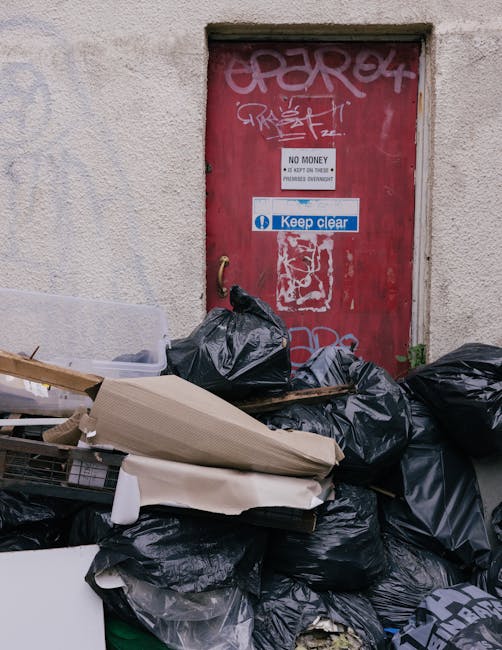
Rubbish removal for tight access flats Central London

If you live in a Central London flat with a narrow stairwell, a tiny lift, awkward corners, or a hallway that seems designed to test patience, rubbish removal can feel like a small logistics project. One bulky chair. Two flights of stairs. A landing that barely turns. It all adds up fast. That is exactly why rubbish removal for tight access flats Central London needs a different approach from a standard kerbside collection.
In this guide, we'll walk through how access-aware waste removal works, what makes it safer and quicker, where people usually get stuck, and how to plan it without the usual stress. We'll also cover practical tips for flat clearance, furniture disposal, and the kind of decisions that save time on the day. Truth be told, a little planning goes a long way here.
Why Rubbish removal for tight access flats Central London Matters
Central London flats often come with one very specific challenge: access is tight, and sometimes annoyingly so. You may be dealing with period buildings, shared staircases, basement entrances, small lifts, loading restrictions, or corridors that make even a vacuum cleaner feel oversized. That changes everything about how rubbish should be removed.
Standard rubbish collection is usually built around straightforward access. But when you have limited turning space, awkward steps, or no easy parking nearby, the job needs careful planning. A good service looks at the building first, not just the waste. That is the difference between a smooth collection and a morning full of delays, scratched walls, and awkward apologies to neighbours.
It also matters because tight access can affect safety. Heavy items can be dropped. Stair rails can get clipped. Shared areas can be blocked. And let's face it, no one wants a big sofa wedged halfway down a stairwell while someone mutters from the landing below.
For landlords, agents, tenants, and homeowners, access-aware removal helps avoid disruption. It also reduces the risk of damage claims, missed collection slots, and repeat visits. In busy parts of the city, where timing and access matter almost as much as the waste itself, that is a very real advantage.
If you are clearing a small flat rather than a whole house, the right service often overlaps with flat clearance, furniture disposal, and broader rubbish removal depending on what needs to go.
How Rubbish removal for tight access flats Central London Works
The process should start with understanding the access, not just the waste list. A proper collection usually begins with a few practical questions: Where is the flat? Is there a lift? How narrow are the stairs? Is the building on a one-way street? Can a vehicle stop close enough without causing problems? Those details shape the whole job.
In many cases, the service provider will ask for photos or a short description. That is not fussiness. It helps avoid surprises. A chest of drawers that looked manageable in a hallway photo can turn into a two-person carry with a careful pivot at the top of a stairwell. You will notice this especially in older mansion blocks and converted buildings around the centre of town.
Here is the usual flow:
- Access review: The team checks the building layout, entry points, parking, and any restrictions.
- Item assessment: They identify what is being removed and whether anything needs dismantling.
- Collection planning: The right vehicle, team size, and equipment are matched to the job.
- Safe removal: Items are carried out carefully, often with protective handling for stairs, corners, and communal areas.
- Sorting and disposal: Waste is separated for appropriate disposal, reuse, or recycling where suitable.
For some jobs, a simple rubbish collection is enough. For others, especially mixed waste or multiple bulky items, waste removal or waste clearance may be the better fit. The right label matters less than the practical outcome: can the team remove the rubbish safely, in one visit, without making a mess of your stairwell?
Access-first planning also helps with timing. In Central London, parking and loading windows can be tight. A team that understands the local rhythm will usually arrive ready to work quickly rather than spending half the appointment figuring out where to park. Small detail, big difference.
Key Benefits and Practical Advantages
The main benefit is simple: less stress. But there are a few more specific advantages worth calling out.
- Less disruption to neighbours: Efficient removal keeps shared hallways and stairwells clear for as short a time as possible.
- Lower risk of damage: Careful handling matters a lot in narrow spaces, especially around painted walls and old bannisters.
- Better time management: A planned collection avoids long back-and-forth carrying or repeat visits.
- Suitable for awkward items: Bulky furniture, broken appliances, and mixed household waste can all be handled more cleanly.
- More predictable pricing: When access is assessed properly, the quote is usually closer to the real job.
There is also a practical side people sometimes overlook: access-aware rubbish removal can help you clear space faster before a tenancy end, renovation, or sale. That is especially useful if you are coordinating with cleaners, decorators, or a moving day that is already packed tight. Nobody wants the final bag of clutter still there when the painter shows up.
For households needing a fuller emptying of the property, home clearance or house clearance may be more suitable than a one-off rubbish pickup. If the problem is mainly a single bulky item, something like sofa removal can be the simplest option.
| Need | Best fit | Why it works |
|---|---|---|
| One or two bulky items | Furniture disposal or sofa removal | Quick, targeted, and easier to plan around access constraints |
| Mixed flat contents | Flat clearance | Good for multiple items, bags, and clutter from one property |
| Everyday waste from a flat | Rubbish collection | Simple for general bags and small amounts of waste |
| Large or varied waste load | Waste clearance or waste removal | Better for more complex collections and careful disposal |
Who This Is For and When It Makes Sense
This service is a good fit for a fairly wide mix of people. You might need it if you live in a top-floor flat with no lift, a basement apartment with a narrow entrance, a converted townhouse with steep stairs, or a new-build block where lift access is controlled and the loading bay is a walk away. London, as ever, enjoys a bit of everything.
It also makes sense for:
- tenants clearing out before the end of a lease
- landlords turning over a flat between occupiers
- letting agents arranging fast void turnaround
- homeowners down-sizing in a compact city property
- people clearing old furniture after a delivery has gone wrong or an item no longer fits
- anyone doing a refresh before decorators or contractors arrive
In busy central districts, the service can also help businesses operating from converted flats or mixed-use buildings. If the waste is linked to a small office or workspace, office clearance or business waste may be more appropriate.
And if the rubbish comes from building work rather than household clutter, builders waste is a better match. That distinction matters because building rubble, timber offcuts, plasterboard, and renovation debris are usually handled differently from domestic rubbish. Simple, but easy to mix up.
Step-by-Step Guidance
If you want the day to go smoothly, a bit of structure helps. Not glamorous, but effective.
- List everything to be removed. Separate bulky items, general rubbish, and anything fragile or sharp.
- Check access in real terms. Measure doorways, note stair turns, and think about where a vehicle can stop.
- Take a few clear photos. Include the items, the hallway, stairs, and the building entrance if possible.
- Ask about dismantling. Wardrobes, bed frames, and some sofas may need to be taken apart before moving.
- Clear a route. Move small items, mats, and anything that could trip the team or snag a carry.
- Confirm the timing. In Central London, parking or lift access can make a narrow time window more practical than an open-ended slot.
- Keep building rules in mind. If the block has concierge checks, loading restrictions, or quiet hours, mention them early.
That last point sounds obvious, but it gets missed a lot. A five-minute delay at the front desk can ripple into a twenty-minute job. Small things become big things in a narrow building.
If you are combining a removal with a wider declutter, a service like rubbish clearance can be useful because it deals with mixed loads rather than just one category of item.
Expert Tips for Better Results
Here are the habits that tend to make the biggest difference in tight-access jobs.
- Photograph the worst bit first. If the staircase bend is awkward, show it. That is often the real challenge, not the rubbish itself.
- Group items by size. It helps the crew decide the safest carry order.
- Be honest about heavy items. If something is awkward, say so. It saves time and avoids rushed lifting.
- Ask whether the item can be dismantled. Some furniture becomes far easier once split down.
- Keep lift use realistic. A lift may exist, but it might be too small or too fragile for larger items. That is common in older blocks.
One of the best practical moves is to clear the route yourself before the team arrives. Not the whole flat. Just the path. Shoes by the door, a basket of odds and ends moved aside, maybe the bin bags gathered in one spot. It sounds tiny, but it often saves a lot of backtracking.
Another tip: ask about the disposal route for reusable items. A service that can separate furniture, general waste, and anything suitable for reuse is often better organised overall. That matters if your load includes decent-condition items as well as broken bits.
For very local jobs in busy parts of the city, choosing a provider that knows the area can also help with access planning. Pages for Central London, Shoreditch, Clerkenwell, and Bloomsbury can be useful if you want to understand local coverage and nearby service patterns.
Common Mistakes to Avoid
A lot of the pain in tight-access rubbish removal comes from avoidable assumptions. A few common ones:
- Assuming everything will fit through the lift. It often won't, especially with large furniture.
- Forgetting parking and loading limits. In central areas, that can turn into a very expensive delay if not planned properly.
- Not measuring the staircase. A quick guess is risky. Corners matter more than people think.
- Mixing waste types without telling anyone. The team needs to know whether it is domestic rubbish, furniture, garden waste, or construction debris.
- Leaving the route cluttered. Even small items can slow the removal and increase the chance of damage.
There is also a timing mistake: leaving it until the last day. Then the keys are due back, cleaners are booked, and suddenly every bag feels like an emergency. Been there? Most people have. It is never as calm as it sounded on Monday.
If you are clearing an unusual space like a garage, a separate garage clearance may be a better fit. The same goes for external clutter or plants, where garden clearance is more relevant than a flat removal.
Tools, Resources and Recommendations
You do not need specialist equipment in the flat, but a few simple tools and habits help enormously.
- Tape measure: Useful for checking door widths, lift doors, and awkward corners.
- Phone camera: Photos of stairwells and items make quoting and planning easier.
- Strong gloves: Helpful if you are sorting sharp edges or bagging loose waste before collection.
- Marker or labels: Good for separating items you want kept from items going.
- Clear bin bags or boxes: Handy for smaller loose waste so it can be removed faster.
From a service perspective, it can help to compare whether you need a one-off pickup or a broader clearance. For example, waste collection works well for smaller loads, while waste disposal or waste removal may be better for more substantial jobs.
If the waste is mostly domestic and already bagged, the job is usually straightforward. If you have awkward furniture, multiple floors, or mixed materials, the planning needs to be a bit tighter. Nothing dramatic. Just practical.
Law, Compliance, Standards, or Best Practice
For rubbish removal in the UK, compliance is mostly about responsible handling, correct disposal, and using a provider that can manage waste properly. You do not need to become a waste-law expert, but you should expect sensible practice.
Good practice usually includes:
- checking what type of waste is being collected
- separating reusable items where appropriate
- disposing of waste through legitimate channels
- taking care not to obstruct communal access routes
- protecting shared building areas from damage
In flats with tight access, the building rules matter too. Managing agents, landlords, and building residents may have requirements around lift bookings, loading bay use, protected flooring, or quiet hours. These are not just housekeeping details; they can affect whether a collection can happen cleanly and on time.
Where hazardous or specialist items are involved, extra caution is sensible. Paints, solvents, sharps, and electrical items may need separate handling. If you are unsure, say so early. It is better to flag a questionable item than to force it into a normal rubbish load and hope for the best. That never ends well.
There are also practical trust signals to look for in any service: clear communication, careful arrival planning, and a willingness to explain what can and cannot be taken on the day. That simple openness matters more than polished sales talk.
Options, Methods, or Comparison Table
Different situations call for different approaches. Here is a simple comparison that may help.
| Method | Best for | Strengths | Limitations |
|---|---|---|---|
| Bagged rubbish collection | Small domestic loads | Quick, simple, and usually easy to schedule | Not ideal for bulky furniture or difficult access |
| Flat clearance | Multiple items from one flat | Good for decluttering and end-of-tenancy jobs | Can be overkill for a single item |
| Furniture disposal | Bulky furniture | Focused solution for large items | May require dismantling or extra labour |
| Full waste removal | Mixed loads or larger volumes | Flexible and practical for complex clearances | Needs accurate access details to quote well |
If you are comparing services, think about the load first and the access second, then put them together. That sounds backwards, maybe, but it keeps you from booking the wrong type of collection. A flat can look small and still generate a lot of waste. Likewise, one bulky chair can be more awkward than ten bags.
Case Study or Real-World Example
Here is a realistic example. A tenant in a second-floor flat near a busy Central London street needed to clear a broken wardrobe, a mattress, several bags of mixed rubbish, and an old sofa before check-out. The building had a narrow staircase, a small lift, and a shared entrance with limited waiting space.
Rather than treating it like a routine collection, the team first reviewed the photos and confirmed the wardrobe would need partial dismantling. The sofa was checked for turning space at the stairwell bend. The booking was timed to avoid the busiest street period, and the route from flat to vehicle was kept as clear as possible. No drama, no crushed skirting, no awkward pause on the landing.
The result was a quicker removal than the tenant expected, mostly because the access problem had been handled before anyone arrived. That is the real lesson. With tight-access flats, the job is won or lost before the first item moves.
If the same flat had contained mostly leftover household bits and no large furniture, a simpler rubbish clearance would likely have been enough. The point is not to choose the biggest service. It is to choose the one that fits the space and the load.
Practical Checklist
Use this checklist before the collection day.
- Have you listed every item that needs removing?
- Have you checked stair widths, lift size, and doorway clearance?
- Have you noted any awkward corners, low ceilings, or narrow landings?
- Have you taken photos of the items and access route?
- Have you mentioned parking, loading, or concierge restrictions?
- Have you separated rubbish, furniture, and any special waste?
- Have you asked whether anything needs dismantling?
- Have you cleared the hallway and entry route?
- Have you confirmed the arrival time and any access instructions?
- Have you set aside anything you want to keep? Sounds basic, but it happens.
Expert summary: The smoother the access plan, the cheaper and calmer the removal usually feels. In tight-access flats, the quote is only half the story; the real value is in how well the team handles stairs, timing, and the building itself.
Conclusion
Rubbish removal for tight access flats Central London is really about one thing: making a difficult space manageable without turning it into a headache. When the access is narrow, the lift is tiny, or the stairwell is just plain awkward, the right plan matters more than brute force.
If you prepare the route, describe the load clearly, and match the service to the job, you can avoid most of the common delays and damage risks. The best removals feel almost boring on the day. That is the goal, honestly. Clean, careful, predictable.
And if you are still standing in a hallway full of bags, wondering where to start, start small. One item, one route, one plan. That is usually enough to get the whole thing moving.
Get a free quote today and see how much you can save.
When the last bag is gone and the corridor is clear again, the flat feels bigger. Quieter too. Sometimes that little bit of space is a relief you can almost hear.
Frequently Asked Questions
What makes rubbish removal in tight access flats different?
The main difference is the access itself. Narrow stairs, small lifts, limited parking, and tight corners all affect how items can be carried out safely. The service has to be planned around the building, not just the rubbish.
Can a sofa or wardrobe be removed through a narrow staircase?
Often, yes, but it depends on the size of the item and the staircase layout. Some furniture can be dismantled first, which makes the job much easier. If the corners are especially tight, photos help a lot.
Do I need to measure my flat before booking?
You do not need a full survey, but rough measurements of doorways, lift doors, and any narrow points are useful. Even a quick tape measure check can prevent problems on the day.
What if my building has no lift?
That is very common in Central London. A good removal plan can still work, but the team may need extra time or additional hands. The key is being upfront about the stairs and any difficult turns.
Is this the same as flat clearance?
Sometimes it overlaps, but not always. Flat clearance is usually broader and may involve clearing several rooms or the full property. Rubbish removal can be a smaller, more targeted job.
How do I know whether I need rubbish clearance or furniture disposal?
If you have mixed rubbish, bagged waste, and general clutter, rubbish clearance is often the better fit. If the main problem is one or two bulky items, furniture disposal may be more suitable.
What should I tell the team before the collection?
Tell them about access, parking, lift size, staircases, item sizes, and any special restrictions from the building. If something is unusually heavy or awkward, say that too. It helps them arrive prepared.
Can rubbish be removed from basement flats?
Yes, usually. Basement access can be tricky because of steps, low headroom, or narrow entryways, but it is manageable with the right approach and enough detail before the booking.
What if I only have a few bags of waste?
Small bagged loads can often be handled through a simple rubbish collection. If the access is very tight, though, it is still worth mentioning so the right vehicle and timing can be arranged.
Are there any items that need special handling?
Yes. Electrical items, sharp objects, paints, solvents, and other specialist materials may need separate handling or extra caution. If you are unsure, ask before collection day rather than guessing.
How far in advance should I book?
For tight-access flats, booking a little earlier is smart, especially if parking or lift access needs coordination. If the job is urgent, clear photos and a precise description can help speed things up.
Can you help with Central London areas outside my immediate postcode?
Yes, many collections are arranged across nearby central districts depending on access and location. It can help to check the relevant area pages such as Farringdon, Holborn, Strand, or Covent Garden for local coverage context.
What is the biggest mistake people make with tight access rubbish removal?
The biggest mistake is underestimating the access challenge. A lot of people focus on the rubbish and forget the building layout. In reality, the stairs, turns, and parking space can be the deciding factor.
Where can I learn more about the company and its service approach?
You can read more on the about us page or get in touch via contact us. If you want to understand how wider waste handling works, the waste collection and waste disposal pages are also useful starting points.